


New Zealand is a top choice for work-life balance due to a strong, ingrained culture that prioritizes personal time.
Image: Unsplash
Maintaining a healthy work-life balance has become increasingly important in today’s fast-paced world.
For many employees, the traditional nine-to-five schedule can make it difficult to juggle professional responsibilities with personal well-being.
Work-life balance refers to the ability to manage work demands while still prioritising health, relationships and leisure.
It is about setting boundaries, reducing stress and ensuring that neither work nor personal life takes over completely.
Across the globe, some countries have embraced a more balanced approach to work.
Through shorter working hours, generous leave policies and flexible arrangements, they have created environments where well-being is prioritised rather than treated as a luxury.
Here are some of the countries leading the way.
New Zealand stands out for its strong emphasis on personal time and a relaxed lifestyle.
Employees typically work a standard 40-hour week and are entitled to a minimum of four weeks’ annual leave, along with more than 12 public holidays.
Flexible working arrangements, including remote work, are widely accepted.
The country also offers 26 weeks of paid maternity leave, supporting working families.
Beyond policies, New Zealand’s lifestyle plays a major role.
With less congestion and easy access to nature, people are encouraged to spend time outdoors and with loved ones, making it easier to disconnect from work.
Norway is widely recognised as a global leader in work-life balance. The standard workweek is 37.5 hours, and employees receive around five weeks of paid holiday annually.
Strict labour laws limit excessive overtime, helping to prevent burnout.
A standout feature is Norway’s generous parental leave system, which allows parents to take up to 49 weeks at full pay or 59 weeks at reduced pay.
Workplace culture is built on trust and efficiency, with employees often leaving work early on Fridays to focus on family and leisure.
This results in a low-stress and highly productive environment.
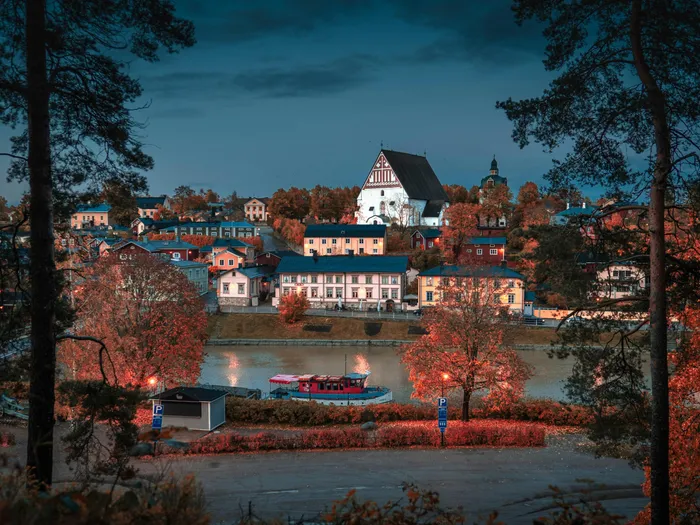
Finland is a top global destination for work-life balance due to its deeply rooted culture of trust, low hierarchy, and flexible working conditions, including widespread remote work options.
Image: Unsplash
Denmark consistently ranks among the happiest countries in the world, largely due to its balanced approach to work.
The average workweek is around 37 hours, and employees are entitled to five weeks of paid leave.
Workplaces prioritise flexibility, with many offering remote work and adjustable hours.
Danish companies focus on productivity rather than long hours, meaning employees can leave early without guilt.
Flat organisational structures promote trust and autonomy, while strong family support systems, including subsidised childcare, make it easier to balance career and home life.
Finland offers a work culture rooted in trust, flexibility and equality. Employees typically work eight-hour days and receive around 30 days of paid leave each year.
Flexible working is common, with many employees able to adjust their schedules or work remotely. Finnish workplaces are known for their low hierarchy and open communication, creating a less stressful environment.
Employers are also required to prioritise occupational health, ensuring employee well-being remains a key focus.
Combined with high-quality public services, Finland provides a supportive environment for both work and personal life.
Spain’s “work to live” philosophy makes it an attractive destination for those seeking balance.
Employees are entitled to at least 30 days of paid leave each year, supported by strong labour laws that protect rest time.
While traditional schedules include longer lunch breaks, modern workplaces are increasingly adopting flexible hours and remote work.
Spanish culture places a strong emphasis on socialising, family time and enjoying daily life. The warm climate and vibrant lifestyle further enhance overall well-being.
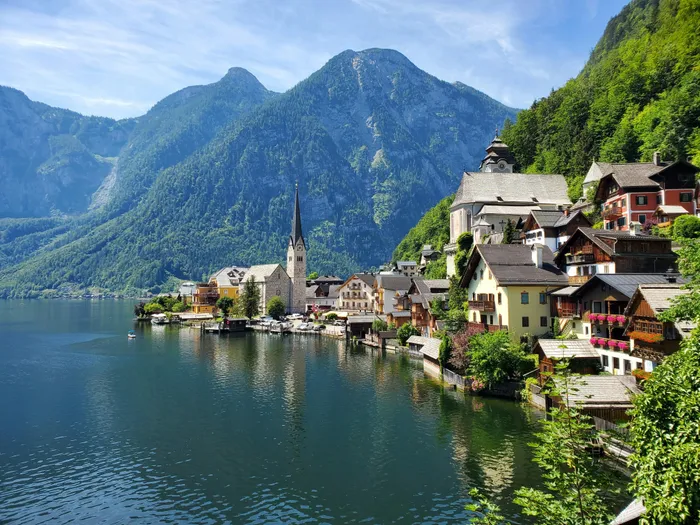
Austrian culture emphasizes strict separation between professional and personal time with strong value placed on leisure and nature.
Image: Unsplash
The Netherlands is known for having one of the shortest average working weeks in the world, at just over 30 hours.
Part-time work is widely accepted and supported by law, allowing employees to tailor their schedules.
Leaving work by late afternoon is standard, and working overtime is often discouraged.
Employees benefit from generous leave and strong labour protections, including the right to request flexible working arrangements.
The Dutch approach views work as just one part of life, encouraging a healthier and more balanced lifestyle.
Austria offers a well-balanced work culture with manageable hours and generous leave.
Employees typically work between 38 and 40 hours per week and receive at least 25 days of paid holiday, along with 13 public holidays.
There is a strong cultural emphasis on separating work from personal life, with limited overtime and early finishes, particularly on Fridays.
Austria also provides generous parental leave, supporting families. With access to mountains, lakes and outdoor activities, employees are encouraged to make the most of their free time.
Luxembourg combines high salaries with excellent work-life balance. Employees enjoy at least 26 days of paid leave, plus public holidays, within a standard 40-hour workweek.
The country offers strong labour protections, high-quality healthcare and excellent childcare facilities.
Free public transport and a safe environment add to its appeal. Luxembourg’s high standard of living and family-friendly policies make it an ideal place for professionals seeking both career growth and personal well-being.