

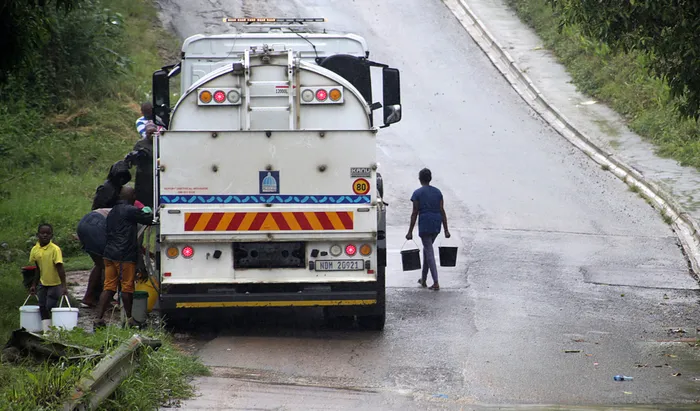
Dr Imraan Buccus said service delivery would be considered when citizens go to the polls.
Image: Khaya Ngwenya Independent Newspapers
POLITICAL analysts are predicting a fervent escalation in campaigning efforts among the country's major parties.
Dr Lubna Nadvi said the central goal for all parties was clear: to secure as many votes as possible.
“So they will all try to outcampaign each other. This will include crafting a narrative of themselves that they think will appeal to voters and do the same for other parties that they believe will depict them as weak, incompetent unsuitable.
“There are existing weaknesses within all parties which will be highlighted and used by others to create doubt in the mind of voters which could push them away from certain groups,” she said.
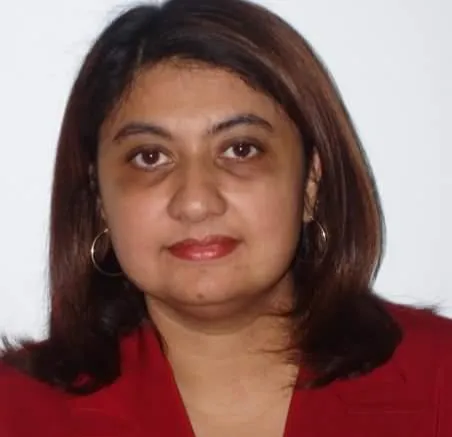
Dr Lubna Nadvi
Image: Supplied
Nadvi said parties that had served in local government before, had to work harder to convince people to vote for them, especially if they had failed at service delivery in their respective areas.
“Those parties that have not governed before may have an advantage over others, as an option for people to cast their votes, giving them a chance to try to do better.
“It is difficult to predict who will get what percentage of the votes, but it is fairly certain that parties like the ANC, DA, IFP and EFF, that have contested elections before, will get seats in local municipalities. The MK Party has thus far not really had any substantive experience in governing so it remains to be seen how it will perform especially in KZN, given their close links to the party leader whose base is KZN,” she said.
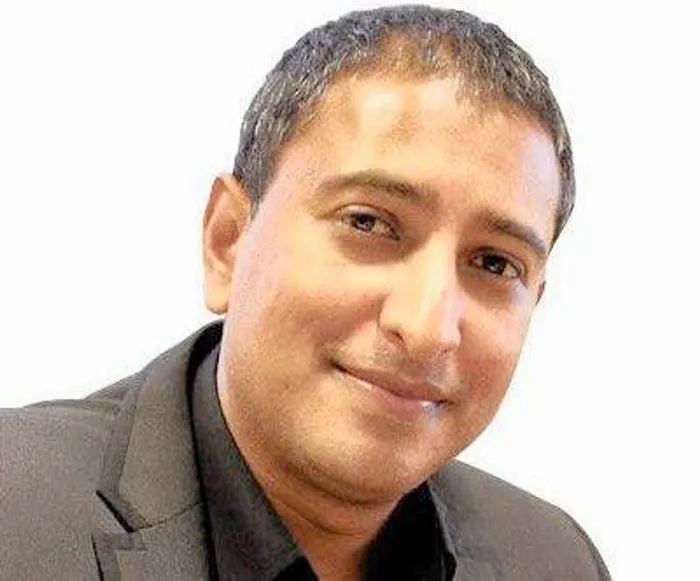
Dr Imraan Buccus.
Image: File
Dr Imraan Buccus said there was nothing unusual about what Eric Apelgren referred to as “decampaigning" in his report: "Trends and thoughts on the forthcoming 2026 local government elections".
“That is the nature of politics, and local government politics is no different. One needs to remember that local government is the central pivot in a society building exercise. But the huge problem we have in our context is that it is also the sphere of government where there are huge patronage networks and contestation for a ‘piece of the pie’ and for the ‘looting of the public purse’.”
Buccus said service delivery would be considered when citizens go to the polls.
“Service delivery is a big issue, and the ANC has not delivered.”
In reference to the ANC losing key wards in KZN, with secretary-general Fikile Mbalula saying "we are a 17% party" in the province, Buccus said it was in some ways an indication of what should be expected in local government.
“I think that the ANC has been pushed to the periphery, and I highly doubt it will recover. I think the main reason for its sort of political demise in KZN is the lack of service delivery and, of course, corruption, which is something everyone talks about.
“In addition, there is much spoken about the personality cult of (Jacob) Zuma. But a word of caution would be to consider that the gravitas of Zuma applies at national government level, perhaps more so than local government elections. I think one of the big factors in local government, even within supporters of the MK Party, will be the nature of councillors and whether they are perceived to be competent. I think that will be a serious indicator of whether people would vote for MK Party, particularly, when thinking about councillors.
“The other thing that goes without saying is that the MK Party, which themselves are quite blunt about it, their objective at local government level is about access to public purse. Therefore, I doubt we are going to see any level of improvement in local government if the MK Party were to emerge victorious or as the main party in councils and coalitions,” he said.