

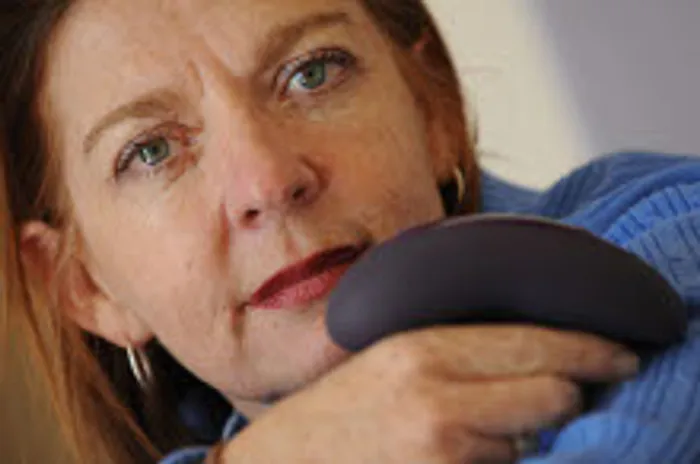
Sharon Gordon is the brains behind the Lola Montez Brand leads the adult entertainment Industry and has revolutionised the way business is done.
Image: File picture
I have recently been invited to lead a workshop on sexual wellness and pleasure for a group of Deaf women, and I am absolutely vibrating with excitement.
This follows a session I conducted on menstrual health at a school for the hearing impaired. I remember arriving early to collaborate with the interpreters, establishing specific signs for anatomical terms and health concepts. This time, I’m thrilled to be "establishing sign" for pleasure, for our toys, and for the diverse ways we use them.
In twenty years of sexual health education, this is one of the few times the focus has been specifically on people with disabilities. Honestly? That is a systemic failure we need to fix.
Pleasure is a human right, not a luxury reserved for the "able-bodied."
Before we talk about mechanics, we have to talk about identity. As the team at sexanddisability.org beautifully puts it:
"Sexuality encompasses gender identities, roles, orientation, eroticism, pleasure, intimacy, and reproduction. It is expressed in our thoughts, fantasies, desires, and relationships. It is a natural, healthy aspect of living."
Yet, the sexuality of people with disabilities is consistently ignored. When we don't drag these topics into the light, myths and taboos run rampant.
The most damaging myth is that people with disabilities are "asexual" or "childlike." We see this in the way society treats someone in a wheelchair or someone who is neurodivergent, as if their disability somehow negates their biology.
Let’s be clear: Humans are sexual beings. Whether you are blind, Deaf, paralysed, or living with a chronic illness, your capacity for desire, fantasy, and aspiration remains.
We often struggle to talk to able-bodied children about sex; that silence becomes deafening when a child has a disability. This leads to a lifetime of "missing information," where people grow up believing that sex "isn't for them" because they don't see themselves represented in the mainstream narrative.
We know that "loving touch" is vital for human development. We see it in infants; those who are held and caressed thrive, while those who are neglected struggle. That need doesn't vanish as we age.
I once heard of a massage therapist whose client had severe muscular dystrophy. His body was locked in constant pain, his hands permanently balled into fists. Through slow, intentional, caring touch, his muscles began to release, not just through physical manipulation, but through the emotional safety of being touched with respect and love. It is a tragedy that many people with disabilities only experience "functional" touch (being bathed, moved, or dressed) and rarely "pleasurable" or "intentional" touch.
The mainstream "P-in-V" (penis-in-vagina) definition of sex is incredibly narrow. If you believe that is the only way to have sex, and your body doesn't move that way, you might feel excluded.
In reality, sex is a vast landscape. Kissing, intentional touching, mutual masturbation, oral play, and the use of sensory toys are all "real" sex. There are no rules, only two requirements: Consent and Safety.
When we get creative, the possibilities are endless. You might need to adjust your position, use pillows for support, lock your wheelchair (shoutout to our "Hot Wheels" guides!), or use assistive tech.
There are incredible tools designed to bridge the gap between desire and physical ability:
People with disabilities are often limited not by their bodies, but by societal assumptions. Barriers like restricted mobility, negative attitudes, and a lack of inclusive education keep people in the dark.
Let’s be the generation that changes this. Let’s start talking openly about sex and disability, dispelling the myths and ensuring that great sex is accessible to everyone.
I want to hear from you. If you are living with a disability or work in this field, I would love to hear your thoughts, challenges, and suggestions. Let’s keep this conversation going.
Contact: info@lolamontez.co.za