Visionaries of 2026: Meet Metropolitan’s 20 innovators changing our urban future
We all make resolutions at the start of the year and promise to do things differently. But what makes new behaviour stick is truly working on your mindset.
For entrepreneurs, that shift becomes even more critical: the way they think directly shapes how they respond to setbacks, seize opportunities, and sustain momentum when external conditions are beyond their control.
It's this foundation that the Metropolitan Collective Shapers programme is designed to build. Now in its fourth year, the programme has established itself as a launchpad for South African entrepreneurs creating sustainable businesses.
The programme’s holistic approach to small business development means that all 150 of theyoung entrepreneurs that were selected for the programme retain access to Metropolitan’sonline resources, networks and ongoing support throughout the programme – ensuring thejourney doesn’t end at the programme’s close in February 2026.
All 150 entrepreneurs spent the first month of the programme in a series of online soft-skillstraining sessions, designed to build resilience and leadership. This builds the mental and mindset shifts that change how entrepreneurs manage their businesses and finances.
The second phase saw the featured 20 finalists progress to a further four weeks of sector-specific training, applying those new behaviours to build frameworks for sustainable growth. Metropolitan's approach treats business development as inseparable from personal development.
The curriculum combines business coaching focused on profitability, leadership and personal branding workshops, market access pathways, media exposure, expert mentorship, and peer networks connecting founders facing comparable challenges. The evidence is clear: starting stronger means building the mental frameworks that turn ambition into action and entrepreneurs into sustainable businesses. These are their stories.
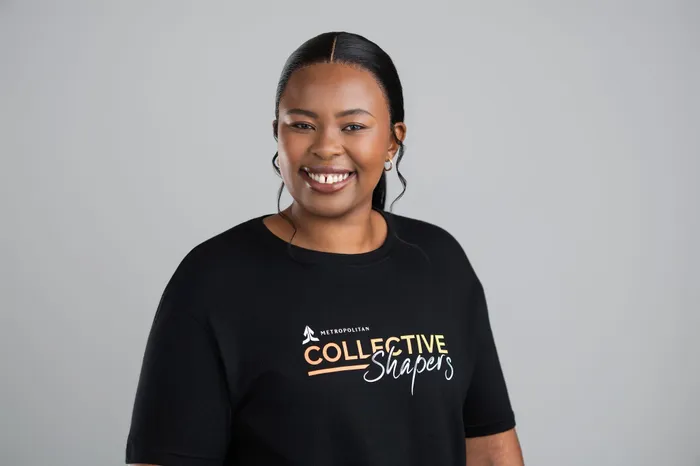
Aphelele Ndamase
Image: Supplied
1. Aphelele Ndamase – Balilethu Livestock – KZN, Underberg Living a life of intention with passion
Aphelele launched her livestock business in 2023 with a clear intention: to build a life on her own terms. ''I wanted the freedom to implement every idea I had without limitations and to build something that truly reflects who I am and what I believe in,'' she says.
Agriculture became more than a source of income; it was a vehicle for living intentionally, channelling her passion for raising and selling livestock to emerging and established farmers into a future that aligned with her values.
But intention alone doesn't guarantee momentum. Through the Metropolitan Collective Shapers programme, Aphelele began shifting how she approached her business. The soft-skills training pushed her to be more courageous in her decision-making, braver in pursuing opportunities she might have second-guessed, and more honest with herself about where she needed to grow.
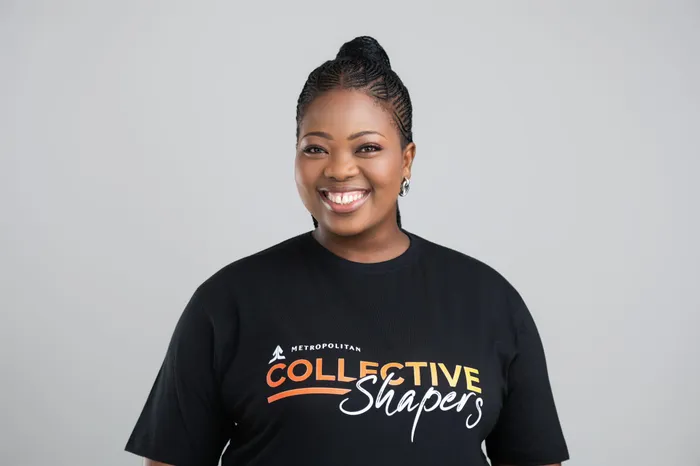
Aphiwe Ngubane
Image: Supplied
2. Aphiwe Ngubane – Kamama Farm (Pty) Ltd, KZN, Umkomaas Building a legacy for her sons
Aphiwe is a self-taught farmer with nothing but curiosity and determination driving her forward. She sources and raises cattle for local emerging farmers and community members in KZN who need sustainability, accessibility, and affordability.
The early mornings, long hours, and endless challenges are all in pursuit of building a legacy for her two sons, whose names make up Kamama and to whom she is passing on the lessons of hard work and giving back.
But intention without structure can only take you so far. Through the Metropolitan Collective Shapers programme, Aphiwe began approaching decisions about her farm in a different way. She says through the programme she learned to create a balance between logic, emotions, and values when making decisions, and this has made her a better leader to her team.
That mental shift has made her a sharp thinker and an exceptional planner. Legacy is built in the small decisions that entrepreneurs take every day, and getting better at making the right decisions can create an enduring legacy. The result is a farm that's not only surviving but also positioning itself for generational impact, and it all starts with strengthening the founder first.
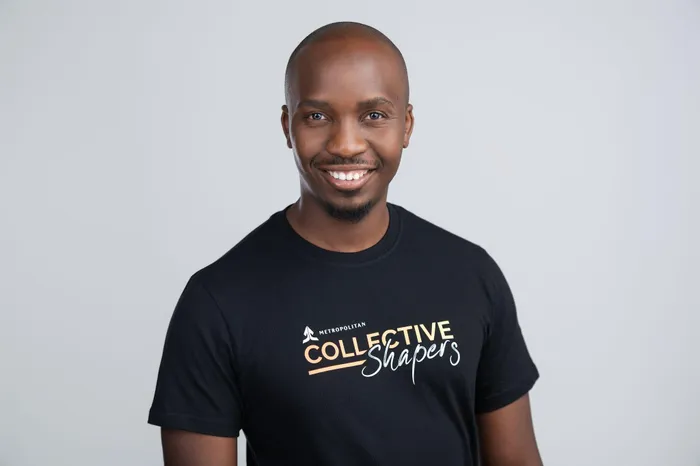
Approved Mache
Image: Supplied
3. Approved Mache – TAP Group (Pty) Ltd, WCEntrepreneurship as a survival tool Approved grew up in a household where entrepreneurship wasn't aspirational—it was survival. His father ran a logistics business that swung between success and difficulty, teaching Approved early that business ownership comes with risk.
Though he qualified as a registered professional engineering technologist specializing in construction supervision and infrastructure delivery, Approved eventually applied those technical skills to managing his own logistics company, TAP Group.
''Over time I realised that the same principles I learned as a civil engineer are foundational to logistics,'' he says.
But understanding principles and implementing them under pressure aretwo different things. The Metropolitan Collective Shapers programme helped Approvedbridge that gap.
He learned the power of saying no and staying focused on building astronger brand; despite how tempting it may be to take a detour when the money looksgood. He had to change his mindset from a survivalist one to a sustainability mindset.
The outcome has been a more resilient business, one that can weather the same fluctuations his father's company faced, but with stronger foundations.
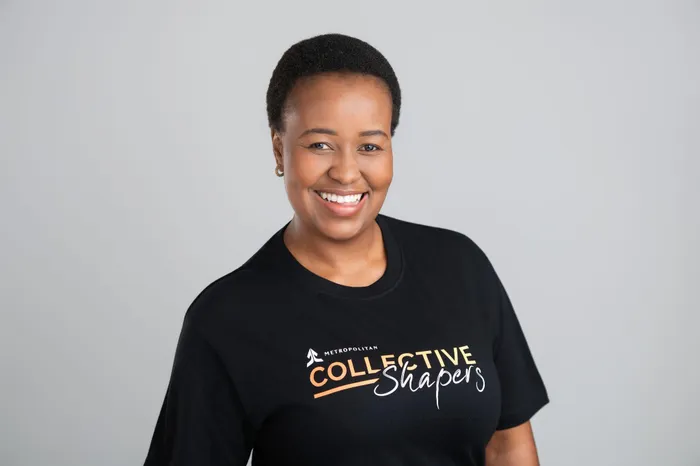
Banele Mbhele
Image: Supplied
4. Banele Mbhele – GeeYoo Trading Enterprise, KZN, Emafakatini Confronting fears head onBanele wanted to start her goat and sheep farming enterprise in 2020, but fear stopped her.For three years, the idea sat dormant while doubt kept her from taking action.
Finally, in 2023, she confronted those fears and established her breeding farm, targeting a diversemarket: from individuals seeking livestock for cultural, traditional, and religious purposes tocommercial buyers.
The Metropolitan Collective Shapers programme taught Banele that courage is just thebeginning and that believing in yourself is a daily practice that is essential for success.
Of course, working hard is a key foundation for any success because as Banele says: “successdoesn’t come on a silver platter.”Now she has ambitious dreams of owning hectares of land, growing vegetable crops,supplying meat to supermarkets and restaurants, and creating work opportunities for young people in her community. What started as confronting one fear has become a practice of pushing past limitations.
Bokamoso Dhalmini
Image: Supplied
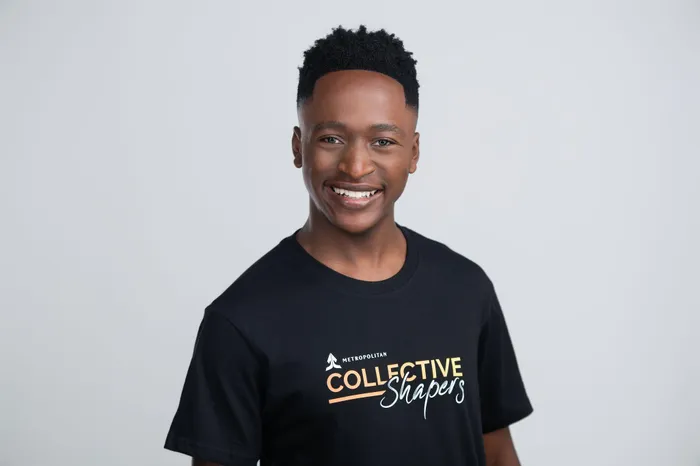
5. Bokamoso Dhalmini – BB Agricultural Produce, GP, SowetoDoors and walls
The Metropolitan Collective Shapers programme introduced Bokamoso to a framework thatchanged how she approaches problems: doors versus walls.
''This just means recognisingthat some problems cannot be overcome but that others can be solved as simply as openinga door,'' she said.
That distinction sounds simple but applying it requires discernment - knowing which battlesto fight and which to redirect around.
For Bokamoso, who aims to uplift small-scale farmers,promote sustainable practices, and contribute to local economic development, theframework shifted how she allocated her energy.
Instead of spinning her wheels on systemicbarriers she couldn't immediately change (walls), she focused on actionable opportunities (doors): expanding their agricultural operations through modern farming techniques,increasing productivity, and creating employment for local people.
“It also allows us to shareknowledge, partner with other stakeholders, and access resources that strengthen ourimpact,” she said.
The result is a more strategic approach to building BB Agricultural Produce; not just workingharder but working smarter.
By identifying doors and opening them, Bokamoso is creating athriving, resilient agricultural ecosystem capable of adapting to challenges rather than beingstopped by them.
Bongiwe Nyawo
Image: Supplied
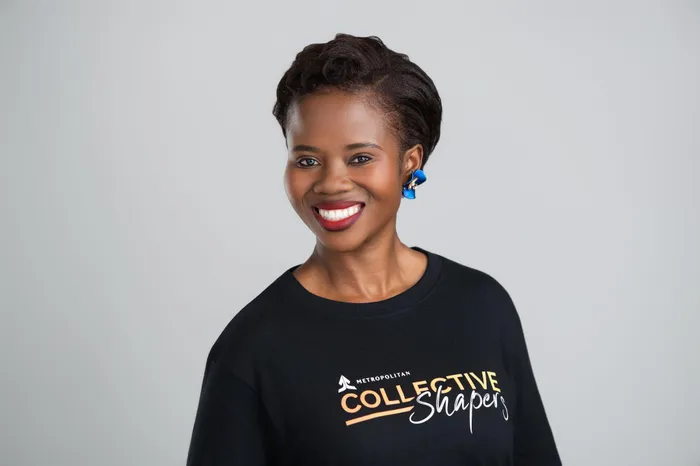
6. Bongiwe Nyawo – Nyawo Zendalo Air, KZN, Richards BayAdvanced technology for improved food securityBongiwe saw a problem and equipped herself with the skills to solve it. Using advancedtechnology including drones and AI, she's addressing environmental challenges resultingfrom climate change.
After earning her drone/remote pilot's licence and restrictedradiotelephony licence, she launched Nyawo Zendalo Air, offering precision farming servicesranging from crop management and aerial inspections for data-driven decision-making toaerial data capture and fertiliser and pesticide application.
''We are helping sustain our food supply by introducing in-demand but scarce drone skillsand agri-tech advancements which will take our rural area onto the global competitivestage," she says.
But having cutting-edge skills and technology isn't enough without the business acumen to scale them effectively. The Metropolitan Collective Shapers programmehelped Bongiwe shift from thinking like a skilled technician to operating like a strategic business owner.
The training pushed her to identify her value proposition and impact moreclearly, communicate it to potential clients with confidence, and build systems that couldhandle growth. That mental shift translated into positioning Nyawo Zendalo Air not just as adrone service, but as a partner in sustainable food security. The result is a high-flyingbusiness poised to take rural agriculture into the future.

Busisiwe Sambo
Image: Supplied
7. Busisiwe Sambo – Ode to Oupa (OTO) Transport, GautengMoving goods and communities forwardBusisiwe sees logistics as more than just the movement of goods, she sees it as a powerfultool to move communities forward.
OTO provides brokerage services for trucks and yellowmachinery, linking mines and truck owners, coordinating capacity, ensuring compliance and safety, reducing downtime, and optimising costs so mines can deliver on their productiontargets.
With roots in the mining sector, it felt natural for Busisiwe to build a business thatserves the same space.For Busisiwe, she learned that ambition is not enough, and that: “community, resilience andcontinuous learning are what turn a dream into reality.”
Feedback was truly a gift for herbusiness because through the programme she was able to meet other entrepreneurs, shareexperiences and get practical solutions faster, adapt quickly and lean into smarter strategies.
“Ultimately, I’ve learned that with drive, a clear vision, and a supportive network, it’s possibleto achieve far more than I could alone, and that motivates me every day to keep pushing mydream forward,” she said.

Cambridge Hlongwane
Image: Supplied
8. Cambridge Hlongwane - Ke Etumetsi Investments (Pty) Ltd, Limpopo, MusinaCombining skills with a purpose-driven missionCambridge started his business because he saw a clear need and wanted to create asolution that made a meaningful impact.
Motivated by the idea of helping others andimproving processes, his logistics business successfully combines his skills with a purpose-driven mission, understanding clients' needs and providing solutions that truly make adifference, ensuring every delivery, timeline, and process is handled with care andprofessionalism.
Being a young entrepreneur can sometimes make you feel alone and that you should haveeverything figured out and know what you’re doing, but Cambridge was relieved to know thisdoes not have to be the case.
He said: “One key lesson from this experience is realizing that I don’t have to haveeverything figured out to make meaningful progress. Taking small steps, asking for support,and learning from others can create powerful momentum.”
Mikhaela Brown
Image: Supplied
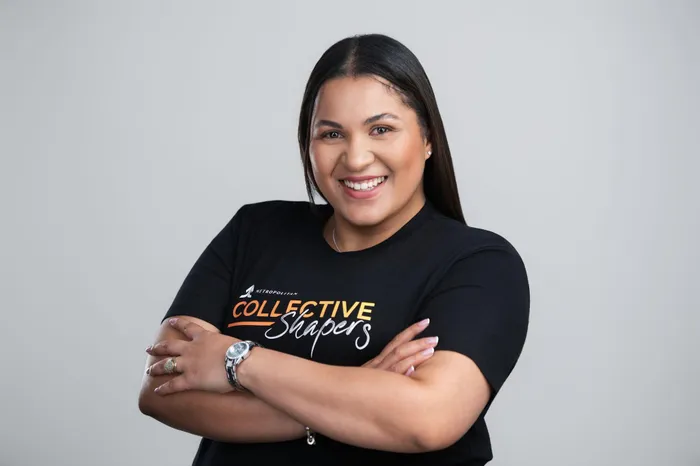
9. Mikhaela Brown - K2020714247 South Africa., WC, Cape Town
A business born from necessityMikhaela's company was born from dual necessity: her desire for greater financialindependence and the urgent need to support her mother following a motorcycle injury.
That combination of personal drive and family responsibility has been a powerful motivator,shaping the resilient and purpose-driven company it is today.
Operating nationally and internationally within the logistics sector, K2020714247 handles allaspects of freight—personal effects, commercial cargo, perishables, live animals, andhuman remains. The business works, but Mikhaela knew it could work better. The Metropolitan Collective Shapers programme helped her shift from survival mode to strategicgrowth mode. The resilience training validated what she'd already been doing by pushingthrough challenges but also taught her that resilience isn't just about enduring; it's aboutadapting intelligently.
The programme has also taught her the value of boundaries and that has changed how shedeals with clients where she now has the tools to communicate effectively particularlyregarding payments, so she doesn’t impact her own finances unnecessarily.
This hastranslated into building more efficient processes, and positioning the company for scale. Herteam is now brainstorming a powerful African name that resonates with her values andauthentically represents the continent, a symbolic step reflecting the internal transformationhappening within the business itself.
Mokgadi Mpya
Image: Supplied
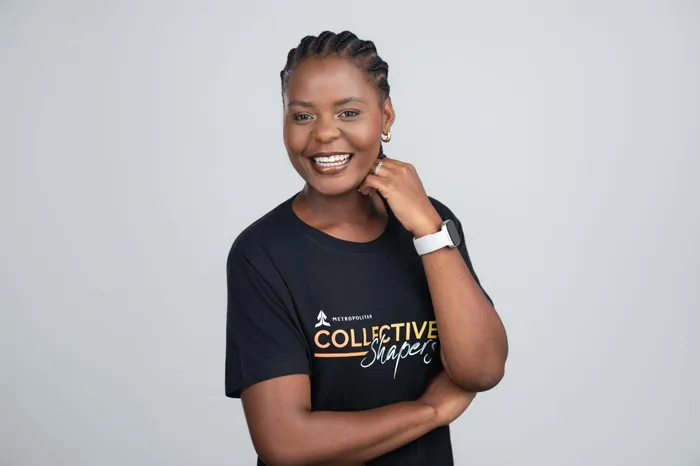
10. Mokgadi Mpya - DITLOU M INVESTMENTS, Limpopo
A helping hand for households and businessesMokgadi's career path has been anything but linear - mechanical engineering, hospitality,catering, and now agriculture.
She produces fresh, affordable, high-quality vegetables andchickens for street vendors and tuck shops, and supplies funerals and weddings.
''Ditlou MInvestments is more than a farm, it is a helping hand -a kitchen supplier and partner tohouseholds and businesses,'' she says.
Good intentions are not enough and Mokgadi said that taking her business to newer heightsrequired understanding better the foundations that can build a sustainable business.
Understanding the regulations around her industry, improving her farm management andbuilding better networks are some of the key lessons she has learnt for the programme. She learned that growth is a step-by-step process.
“Growth isn’t just about immediate results but it’s about building the skills, knowledge anddiscipline needed to turn dreams into reality. Thanks to this experience I now approach mybusiness with more focus and confidence, knowing that each short-term goal achieved is abrick laid on the foundation of long-term success,” she said.
That shift from scattered effort to structured progress changed how she operates: settingclear milestones, tracking progress more intentionally, and building toward expansion with aplan rather than just ambition. The result is a business positioned not just to help, but toscale that help sustainably.
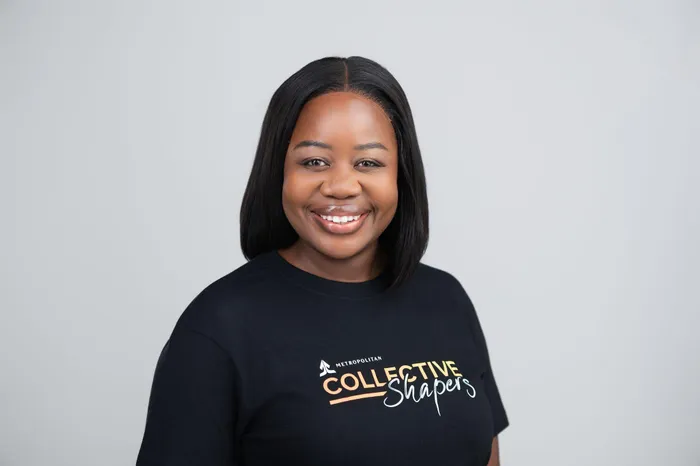
Mokgadi Ramatladi
Image: Supplied
Mokgadi Mpya
Image: Supplied
12. Mondli Dlalisa - Phuma-kweLanga Agricultural, KZN, DundeeLearning from past mistakes
Mondli's first farming venture, started using his inheritance, failed due to poor weatherconditions. The loss was devastating, but he didn't let it define him.
Now he's rebuilding histomato-growing enterprise using whatever he can afford, learning from past mistakes andputting his best foot forward.
However, starting over after failure requires more than determination, it also requires afundamental shift in how you approach risk and resilience.
The Metropolitan Collective Shapers programme gave Mondli something he didn't have the first time: community.
''Metropolitan Collective Shapers has given me hope for my future and taught me that thebusiness can't grow without community,'' he says.
Due to his prior business experience, Mondli said the programme provided him with the toolsto plan better – for his personal life and business, separately. He's approaching his second venture with more humility, better planning, and the understanding that asking for help isn't weakness.
''I'm hoping that one day my company will be in the forefront of shaping the future of my owncommunity and will be able to help kids and others in need,'' he says.
Learning from failurewhile building in community, that's how resilience can become a legacy.

Rebaona Mathe
Image: Supplied
13. Rebaona Mathe – Reliance Pro, Limpopo Entrepreneur with a strong role model Rebaona learned entrepreneurship from the best: her mother, whose occupational healthcompany has operated successfully for 15 years.
Although entrepreneurial at heart, it took Rebaona time to find the right industry for her own venture. She eventually founded Reliance Pro during her first year studying Logistics and Supply Chain Management, combining hereducational foundation with her entrepreneurial instincts.Having a role model and industry knowledge is valuable, but knowing how to leveragetechnology to differentiate your business is critical.
The Metropolitan Collective Shapersprogramme provided Rebaona with practical insights into scaling a business sustainably andl everaging technology to improve operations. That strategic thinking shifted her ambitions:instead of simply running a logistics company, she began developing a proprietary app that gives clients full visibility into their supply chains with real-time tracking.That innovation represents a fundamental shift in how she sees Reliance Pro, not as anotherlogistics provider, but as a cutting-edge solution setting new standards for transparency andreliability. The mindset shift from operator to innovator is positioning her business to leadrather than follow.
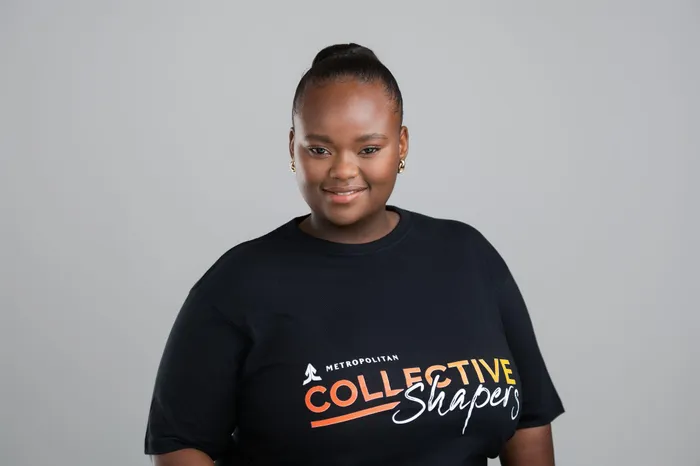
SIPHESIHLE SANGWENI
Image: Supplied
14. SIPHESIHLE SANGWENI - Kate-Mkhipheni (Pty) Ltd, KZN, Mtubatuba Reigniting a spark Siphesihle never believed mentorship programmes were for her, until she joined theMetropolitan Collective Shapers.
''Being in this programme re-ignited a spark of confidenceand enthusiasm in me, and I am now fully committed to growing my business and workinghard to achieve great success,'' she says.
That spark translated into clarity.
''This programme has made the task of planning out thefuture of my business so much easier. It has narrowed this broad logistics industry into aworkable plan and has shown me the many ways I can innovate and improve my business.''
The shift from feeling overwhelmed by possibilities to having a focused roadmap changedeverything about how Siphesihle operates Kate-Mkhipheni.
But perhaps the most significant change has been internal.
''Above all, the programme hastaught me how to manage my stress.
''Stress is really a thing of the past for me! '' she says.Learning to manage stress didn't just improve her wellbeing—it improved her decision-making, her leadership, and her ability to sustain momentum.
Confidence plus clarity pluscalm: that's the foundation for sustainable growth.
15. Thabiso Ngxala – Feeda Nathi Primary Agricultural Collective, EC, VaalbankImpacting youth unemployment one job at a time Thabiso believes Feeda Nathi's most significant impact is on youth unemployment within the Vaalbank community and surrounding areas.
This includes himself and the other directors,who were without work before founding the company. Feeda Nathi now employs ninepermanent youth workers in its transport division and five in its agricultural division,excluding seasonal workers.
But creating jobs is one thing—creating sustainable employment that grows over time isanother. Being part of the Metropolitan Collective Shapers programme drove Thabiso toaspire to greater things. The business coaching helped him see that employment creationrequires profitable, well-run operations.
That mindset shift changed his focus: instead of justcreating jobs, he began building systems that could support more jobs sustainably.The programme also inspired him to think beyond his own business.
''It has enabled me toemploy even more young people and to inspire my peers to make their own change andbuild well-established, profitable sustainable businesses'' he says.
The shift from job creatorto community catalyst shows how impact can multiply.
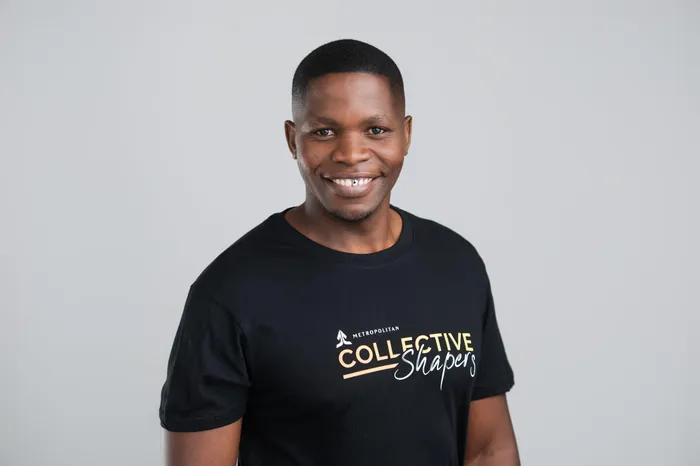
Thobani Zungu
Image: Supplied
16. Thobani Zungu - NGI4 Xpress, KZNSuccess beyond effortFor Thobani and his B2B express courier and last-mile delivery service, hard work wasnever the issue because he'd always put in the effort.
The problem was that effort alonewasn't translating into the sustainable growth he wanted for NGI4 Xpress.The Metropolitan Collective Shapers programme showed him why.
''The programme hashelped me refine my vision for NGI4 Xpress and shown me that with the right support,structure, and mindset, it's possible to scale a business beyond personal limitations,'' he said.
That realisation was transformative: sustainable growth comes from structure,planning, and clarity, not just effort.
''The biggest lesson I've learned is the importance of building systems, not just working hard.I also learned the value of community: partnering and collaborating - and that asking for help accelerates progress.
''Those insights changed how Thobani operates his business. Insteadof hustling harder, he began building smarter by creating processes that could run withouthim, seeking partnerships that amplified his reach, and asking for guidance instead of tryingto figure everything out alone.
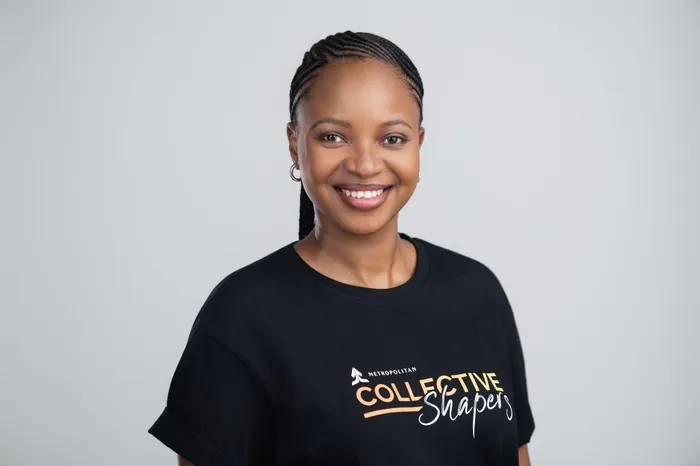
Zwivhuya Mudau
Image: Supplied
17. Zwivhuya Mudau - Vhadau Premium Piggery, Limpopo
Vision, resilience – and actionStarting Vhadau Premium Piggery required courage Zwivhuya didn't know she had. Inpursuit of success, she made the difficult decision to leave everything behind in the city,including her young son, to focus entirely on building a thriving, sustainable farm andcreating opportunities for others.
While courage gets you started, strategic thinking keeps you going. Through the Metropolitan Collective Shapers programme, Zwivhuya learned to channel her determinationinto structured action. That shift in thinking led her to do something unexpected: she introduced an online piggery beginner class, where participants learn the fundamentals of pig farming, from breeding and nutrition to health management and sales strategies.
By empowering new farmers with knowledge and confidence to start their own ventures,Zwivhuya turned her personal journey into a pathway for others.
''Vhadau Premium Piggeryis more than just a farm; it is a manifestation of my vision to create opportunities where noneexist, empower aspiring farmers, and contribute to sustainable and responsible livestockfarming in South Africa,'' she said.
She is now rewriting the legacy of others by empoweringthem and paying it forward.

Makgotso Motloung
Image: Supplied
18. Makgotso Motloung - Malijuda Distributors Pty Ltd, t/a Rehoboth Boerdery.Mpumalanga Discipline from an early age Makgotso grew up in a business-oriented family where discipline wasn't optional.
''Iwas programmed and taught that there are only three places I should befound—either at school, on the sports field, or helping in the family business on thefarm,'' she said.
That early programming instilled work ethic, but the Metropolitan Collective Shapers programme taught her something deeper: how to maintain that discipline as an adultentrepreneur, and how there's always room for improvement and growth.
The soft-skills training helped her understand that discipline isn't just about showing up, it's about continuously refining how you show up.That shift in perspective changed how she approaches Rehoboth Boerdery.
Instead ofrelying solely on inherited discipline, she began actively seeking ways to improveprocesses, adopt new practices, and challenge herself to grow beyond what wascomfortable or familiar.
''What motivates me every day is knowing and understanding that I am an essentialworker and that what I produce with my bare hands and mind impacts other people's lifespans,'' she says. Discipline rooted in purpose is what transforms hard work intomeaningful impact.

Lucky Maseko
Image: Supplied
19. Lucky Maseko - Phukalla Ntsu Logistics, FS, Qwa-QwaSoaring like an eagle
Coming from an impoverished village in the Free State, Lucky is guided by a philosophythat has shaped everything he does: your story is not your limitation, it is your power.Driven by purpose, the goal of building a lasting, impactful business, and fatherhood, henamed his logistics company after his son, Ntsu, meaning eagle, and phukalla, meaningto soar high—aspiring to take the company to great heights.
However, he needed knowledge to complement his aspiration as a springboard to reachhis potential. Lucky entered the Metropolitan Collective Shapers programme to bridgethat gap.
''I have learned that having deep industry knowledge is essential to success, aswell as understanding challenges and regulations, and identifying opportunities that contribute to the building of a resilient business,'' he says.
That focus on knowledge acquisition changed how Lucky operates Phukalla NtsuLogistics. Instead of learning through costly mistakes, he began studying the industrysystematically by understanding regulatory requirements, anticipating challenges, andidentifying opportunities others might miss. The shift from reactive hustling to informedstrategy is what enables eagles to soar and not just flap harder.
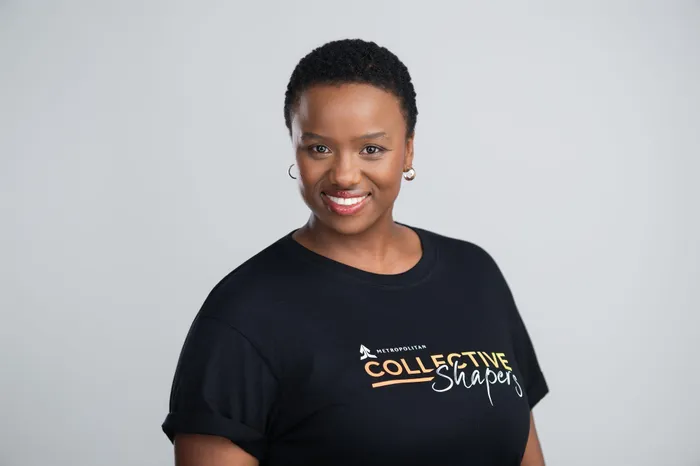
Andile Maphanga
Image: Supplied
11. Mokgadi Ramatladi – MPR Med Pharmacy, LimpopoImproving rural healthcareMokgadi has over 10 years of experience working in village hospital pharmacies.
Afterwitnessing serious healthcare gaps in rural areas, she felt called to build a pharmacy that brings essential services closer to the people who need them most.
''I am driven by thedesire to change the narrative of rural healthcare, making it accessible and deliveringservices with dignity and care'' she says.
But changing healthcare narratives requires more than passion, it also requires innovativethinking about service delivery. The Metropolitan Collective Shapers programme opened Mokgadi's mind to the bigger picture of combining pharmacy, technology, and logistics tobuild a more accessible healthcare ecosystem for rural villages.
That expanded visionshifted how she approached MPR Med Pharmacy's operations: instead of thinking onlyabout dispensing medication, she began exploring how technology could bridge distance,how logistics could ensure consistent supply chains, and how partnerships could extend herreach.
Those mental shifts are translating into practical changes by exploring telemedicineintegration, improving inventory management systems, and building distribution networksthat serve remote communities more effectively. The result is a pharmacy evolving into ahealthcare ecosystem, delivering not just medicine but dignity and care to underservedpopulations.
20. Andile Maphanga - Tobani Eco Projects, Mpumalanga, ErmeloColouring outside the lines
Motivated by a need for independence and the desire to be his own boss, Andile has alreadygrown his bulk crop supplying business from a 2-hectare to a 6-hectare operation.
''I oftencolour outside the lines, and although a traditional job was secure, it felt somehow limiting.Entrepreneurship was freedom for me, and it satisfied the burning desire to pioneersomething,'' he said.
That pioneering spirit is powerful, but without structure it can scatter energy in too manydirections. The Metropolitan Collective Shapers programme gave Andile something he didn't know he needed: focus paired with his freedom.
''The MCS programme has been thecatalyst I've been longing for that would launch me into that next level. Because of MCS, Ifeel seen as a person and even more as an entrepreneur and young professional.
''But the most significant shift was internal.
''Because of this programme, I have outgrownlimiting beliefs that were stifling my growth and instead have adopted a growth mindset.
''That mental transformation changed everything about how Andile approaches Tobani EcoProjects.
He's now ''all in'' as he describes his commitment, not just working in the business,but building it strategically for scale.
Together, their journeys show a powerful, shared truth: sustainable business success startswith strengthening the entrepreneur first.
Their commitment to shifting mindsets, changing behaviours, and building strategically has brought them this far.
And with the continuedsupport of the Metropolitan Collective Shapers programme, they're positioned to achieve even greater impact in their communities and beyond.
Mokgadi Ramatladi
Image: Supplied
Zwivhuya Mudau
Image: Supplied
Zwivhuya Mudau
Image: Supplied