

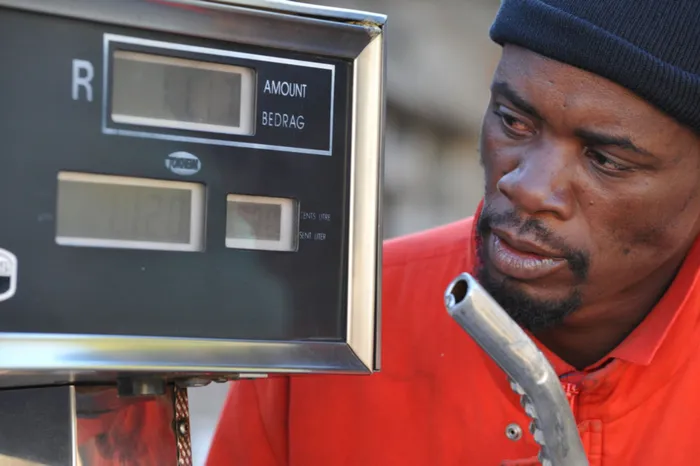
As South Africa faces the looming threat of fuel rationing due to escalating conflict in the Middle East, an expert warns of potential 6pm petrol station closures and reduced speed limits as drastic conservation measures may be reintroduced.
Image: File / Chris Collingridge
South Africa faces a looming threat of fuel rationing, reminiscent of the 1973 oil crisis, as deepening conflict in the Middle East jeopardises the country's vital supply chains and drives up prices.
Visiting Adjunct Professor, Rod Crompton, from the African Energy Leadership Centre at Wits Business School, warns that if the conflict is prolonged, the government may be compelled to reintroduce drastic conservation measures.
He said these could include closing service stations after 6pm and on weekends, and dropping the national speed limit, echoing the steps taken during the 1973 crisis when the speed limit was reduced to 80km/h.
The possibility of fuel rationing and lengthy queues at pumps, Crompton stressed, hinges on the duration of the Iranian conflict.
A key factor, he noted, is whether the US can maintain secure oil and gas shipping lanes through the Straits of Hormuz.
"Unfortunately, it takes very few comparatively cheap drones to increase the risks to shipping in the Straits of Hormuz," Crompton noted, emphasising the fragility of this essential international supply route.
This warning coincides with bleak forecasts from the Central Energy Fund for April, indicating a possible petrol price increase of around R4 a litre and diesel up to R6.75 a litre.
Mineral and Petroleum Resources Minister Gwede Mantashe has already cautioned that "substantial fuel price increases are increasingly unavoidable" due to global volatility, highlighting South Africa's reliance on imported refined petroleum products.
Adding to the concern, Crompton raised doubts about the country's strategic fuel reserves.
"We do not know how much of the strategic stocks are left after the court ordered those who wrongly acquired some to replace them," he stated, noting that the government has not allocated funds for strategic stocks since democracy.
While some strategic oil stocks exist, they are primarily accessible only to the Astron Energy Refinery in Cape Town.
Aside from Sasol’s Secunda factory, "all the other oil companies rely on imports and tend not to keep stocks, although they are supposed to keep 14 days’ worth of stock," Crompton added.
Sasol’s Secunda factory, which converts domestic coal into fuel, offers a measure of security as its supply is insulated from the Iranian conflict, he said. However, it can only meet about 20% of the national demand, despite its favourable location near South Africa’s industrial heartland.
Crompton pointed out that South Africans are "notoriously wasteful of energy and there is considerable scope for energy efficiency and conservation".
He suggested that a steep price hike "might incentivise that", forcing consumers to change their behaviour as costs escalate.
Minister Mantashe has called for an accelerated expansion of domestic oil and gas production, viewing it as the most sustainable long-term solution for energy security and rising fuel costs.
However, he acknowledged that this development is currently hampered by ongoing litigation and persistent opposition from environmental groups.
Energy and power expert Professor Vally Padayachee said the assurances provided by the department about current fuel availability must be balanced with the understanding that heightened demand and ongoing geopolitical tensions could impact supply.
Padayachee said while the current assurances from the government are reassuring and welcomed, we must not let complacency set in.
He said the lessons learned from the ongoing Eskom electricity load shedding crisis, including the importance of diversification and collaboration among stakeholders, should guide our response to potential fuel shortages.
"Notably, Eskom’s reliance on fuel oil for its coal-fired power stations emphasises the need for a stable oil supply. Moving forward, South Africa must adopt a comprehensive approach that prioritises energy security, sustainability, and resilience against both domestic and international challenges, ensuring we are prepared for any eventualities," stated Padayachee.
The Fuels Industry Association of South Africa (FIASA) has confirmed it has implemented "controlled allocation measures to ensure ratable and equitable supply to all customers".
To prevent "market speculation and stockpiling by opportunistic buyers", the association is banning ad hoc or unplanned demand.
karen.singh@inl.co.za