Doctors warn public over surge in illegal injectors and stem cell scams
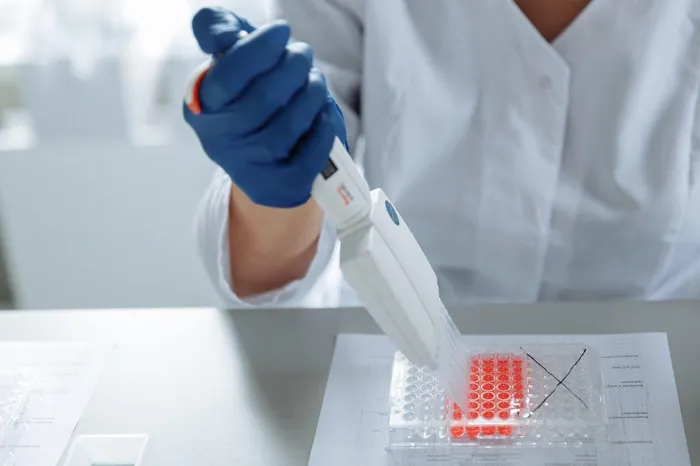
Stem cell treatments have also come under scrutiny. Experts note that stem cells may only be administered by practitioners who have completed recognised training and comply with HPCSA guidelines.
Image: Thirdman/pexels
As aesthetic medicine continues to grow in popularity across South Africa, medical professionals are raising alarm over a parallel surge in illegal injectors and unregulated stem cell treatments that could leave unsuspecting patients disfigured or worse.
Legitimate practitioners say the country has developed some of the worlds leading aesthetic injectors, with highly trained doctors delivering safe, regulated treatments. However, alongside that success has come a wave of unregistered individuals offering fillers, toxins and so called stem cell procedures without proper qualifications or oversight.
Medical experts warn that injecting patients without being registered with the Health Professions Council of South Africa (HPCSA) is illegal and can amount to assault, fraud or impersonating a medical practitioner. The risks, they say, are significant and include infection, tissue damage, blindness and even death.
Recent efforts by groups of private doctors to expose suspected illegal operators have reportedly forced some to shut down social media accounts and go into hiding. In several instances, patients who had paid large deposits were allegedly given elaborate excuses for missed appointments and left without refunds.
Doctors stress that demanding large upfront payments is a major red flag. Under HPCSA rules, medical practitioners may not charge for procedures that have not been performed. If upfront payments are made and treatment is not carried out, patients are entitled to a prompt refund.
“Any legitimate doctor should be willing to provide their HPCSA registration number,” said Dr Ishmael Mohammad. “If someone reacts emotionally or refuses when asked for their registration details, that should immediately raise concern.”
Industry insiders argue that advertising restrictions on doctors including limits on publishing prices may unintentionally create confusion among consumers. While some patients interpret price on application as meaning treatments are unaffordable, experts say illegal injectors are in fact advertising procedures at inflated prices of up to R30 000 per session, several times more than what many compliant doctors charge.
There are also concerns about the use of artificial intelligence and photo editing applications to mislead patients. Fraudulent providers have allegedly altered after images to create unrealistic, flawless results. Medical professionals caution that genuine injectable procedures typically result in temporary swelling, bruising and needle marks, not airbrushed perfection.
The sourcing of products is another serious worry. Registered doctors must provide HPCSA details to authorised suppliers when purchasing fillers and toxins. This raises questions about where illegal injectors obtain their stock and whether counterfeit or improperly stored substances are being injected into patients.
Some operators are reportedly charging less than the cost price of legitimate products while still turning a profit. “What are they actually injecting?” asked one concerned practitioner.
Stem cell treatments have also come under scrutiny. Experts note that stem cells may only be administered by practitioners who have completed recognised training and comply with HPCSA guidelines. Where donor stem cells such as umbilical cord derived products are used, they must be sourced from registered stem cell banks.
Members of the public are urged to verify a practitioners registration status with the HPCSA before undergoing any injectable or regenerative treatment. Suspected illegal activity should be reported to police.