Expert responds to SONA: 'Words are not enough to fix SA challenges'
“The President’s speech leaned heavily on historical and philosophical references, but it did not address the crises our communities face every day"
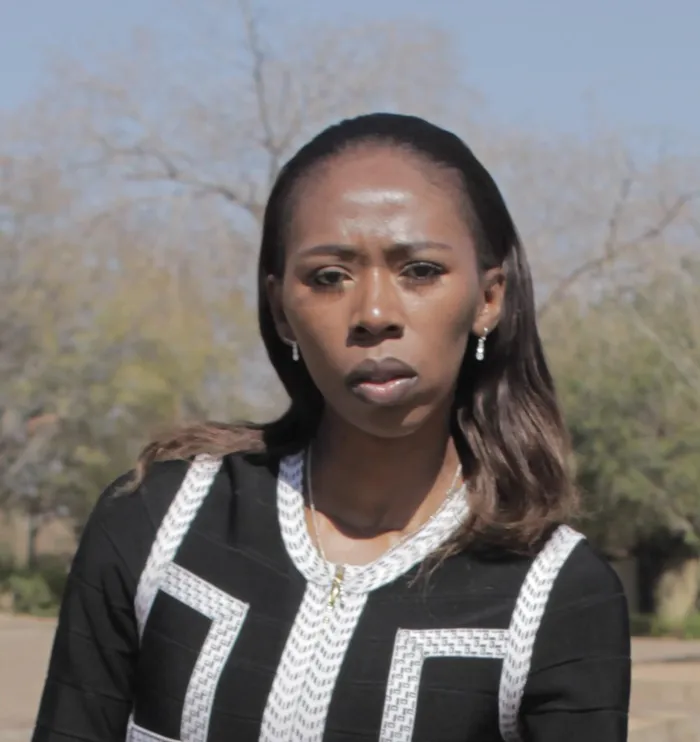
Unisa Political Science department's Dr Lefatshe Moagi
Image: Supplied
As South Africa marks 32 years of democracy, President Cyril Ramaphosa’s recent State of the Nation Address (SONA) has drawn scrutiny from academics and political analysts who say it largely failed to tackle the country’s pressing social, economic, and political crises.
Dr Lefatshe Moagi, a political sciences academician at the University of South Africa (UNISA), described the address as largely symbolic, providing little practical guidance on issues affecting South Africans daily. Speaking exclusively to The Star, she said the speech emphasized historical reflection while neglecting the urgent realities of corruption, unemployment, and municipal dysfunction.
“The President’s speech leaned heavily on historical and philosophical references, but it did not address the crises our communities face every day,” she told The Star. Moagi highlighted corruption in municipalities, where mismanagement and criminal activity have left citizens without reliable access to basic services such as water and sanitation. “The water crisis should not be treated as a technical problem. It is criminality that is destabilizing communities and undermining governance. Without decisive intervention, these problems will continue to erode public trust,” she said.
Economic concerns were also at the forefront of her critique. Moagi warned that South Africa’s economic influence on the continent is waning. “South Africa no longer holds one of the strongest GDPs or currencies in Africa. Emerging nations are now competing for investment, yet the SONA offered no tangible strategies to reverse this trend,” she said.
She also drew attention to the growing influence of criminal networks within the state, noting that the so-called “Water Mafia” and other syndicates are operating with impunity. “These networks compromise municipal governance and the integrity of the judicial system. If these issues are not addressed, our democracy is at serious risk,” she said.
High-profile political scandals, such as the Phala Phala controversy and delayed accountability for former Free State Premier Ace Magashule, were also left unaddressed. “Senior law enforcement officials colluding with criminal elements are threatening state security, yet these cases remain unresolved. This inaction undermines the credibility of both government and security institutions,” Moagi said.
The SONA’s treatment of foreign affairs also drew criticism. Moagi said the address missed an opportunity to reaffirm South Africa’s role as a peacebuilder in Southern Africa and the broader Global South. She highlighted the reported abduction of Venezuelan President Nicolás Maduro, noting that the President could have used the platform to showcase South Africa’s diplomatic influence and capacity to mediate international conflicts.
She further questioned South Africa’s decision to host the 2025 G20 Summit amid domestic crises. “What is the point of hosting an expensive global event when millions of South Africans continue to struggle for basic services and employment? The country’s priorities must reflect the needs of its citizens first,” she said.
Municipal governance and service delivery were additional areas of concern. Moagi said the 2026 Local Government Elections present an opportunity to reform municipalities captured by corruption. She warned that continued mismanagement undermines public confidence in Chapter Nine institutions tasked with holding the government accountable. “We need reforms that ensure real accountability. Commissions of inquiry often cost taxpayers millions but deliver little. Leadership must act decisively to restore trust,” she told The Star.
Recurring crises such as electricity load shedding and water shortages were also left without meaningful solutions in the SONA, according to Moagi. “South Africa moves from one crisis to another with little long-term planning. Unless decisive action is taken, the democratic project is under serious threat,” she said.
The expert also criticised the SONA for failing to offer clear strategies to tackle unemployment, inequality, and poverty. “While the President repeated familiar themes and relied on emotional appeals, there were no concrete measures to close employment gaps or improve living conditions for marginalized communities. Citizens need solutions, not just rhetoric,” Moagi told The Star.
Ethical leadership and community accountability, she argued, are central to achieving sustainable development. “Political leaders, law enforcement, civil society, and communities must work together to uphold human rights, combat corruption, and ensure municipalities deliver on their mandate,” she said. Without moral accountability, Moagi warned, social cohesion erodes and democratic values are undermined.
Moagi also underscored the implications of the SONA for South Africa’s international standing. She said the speech could have been used to strengthen multilateral agreements, clarify foreign policy, and reinforce the country’s position as a reliable partner for trade and diplomacy. “We must not appear as a ‘safe haven’ where laws are loosely enforced to please international partners. Diplomacy requires strategic thinking, not symbolic gestures,” she said.
In conclusion, Moagi said South Africa is at a pivotal moment in its democratic journey. The SONA offered an opportunity to provide clarity, direction, and accountability but largely repeated past rhetoric without actionable plans. “South Africans deserve more than words; they deserve action that restores trust, dignity, and opportunity. Democracy is meaningful only when it protects the vulnerable and ensures equal access to resources and opportunities,” she said.
*Dr Moagi's full Opinion Piece is published at thestar.co.za