Schizophrenia myths vs facts: What this serious mental illness really looks like
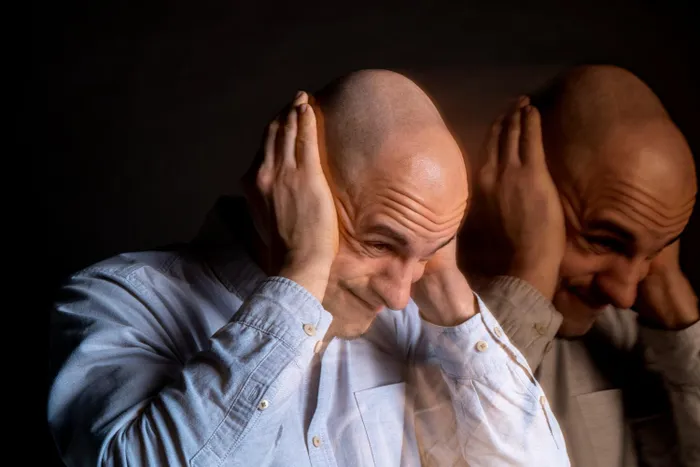
People who are schizophrenic often hear, see or smell things that are not there.
Image: Freepik
Mental illness is often misunderstood, shaped more by movies and headlines than by medical fact.
Nowhere is this more evident than in the way severe mental disorders are portrayed in popular culture, especially within the true crime and horror genres.
These portrayals may draw viewers in, but they often leave behind lasting damage in the form of stigma, fear and misinformation.
True crime fans may be familiar with infamous figures whose stories are frequently retold through dramatised series and films.
While these narratives draw attention to psychological conditions, they often blur the line between illness and violence.
This creates a dangerous link in the public mind between mental disorders and criminal behaviour.
Unfortunately, the portrayal of mental illness in the media, especially in true crime and horror, often causes harm.
Think about movies like “Split” where the main character has a so-called split personality, a condition actually called Dissociative Identity Disorder, and is shown as a violent, evil person.
When characters like this are constantly shown as villains, it creates fear and makes the public believe that these brain disorders are always linked to evil and danger.
This kind of storytelling spreads fear and misunderstanding.
Schizophrenia is a complex, chronic and severe mental disorder that affects how a person thinks, feels and behaves.
It is a brain disorder, not a flaw in character or a lack of moral strength.
And no, it is not the same as having a split personality, which is commonly confused with it.
Schizophrenia affects a person’s ability to understand reality, which causes major disruption in their daily life.

Schizophrenia is a serious mental health disorder.
Image: Freepik
What does schizophrenia look like?
The symptoms of schizophrenia fall into three main groups: positive, negative and cognitive.
Positive symptoms
These are behaviours that are not usually seen in healthy people. They are often the most noticeable and can be very upsetting.
- Hallucinations: Hearing, seeing, feeling, smelling or tasting things that are not there. The most common are auditory hallucinations, such as hearing voices. Imagine hearing a constant, loud chatter or even mean commands that no one else can hear.
- Delusions: Strong, false beliefs that are not based on facts and that a person holds onto even when proven wrong. Examples include believing others are plotting to harm them or that a television show is sending them secret messages.
- Disorganised thinking: Difficulty arranging thoughts or connecting them logically. This can show up as speech that is difficult for others to follow or jumping between topics without a clear reason.
Negative symptoms
These refer to the reduction or absence of normal mental functions and behaviours. They are often mistaken for laziness or depression.
- Avolition: A lack of motivation or drive to start and maintain activities.
- Alogia: A noticeable reduction in speech.
- Anhedonia: The inability to feel pleasure from things that once brought joy.
- Social withdrawal: Spending very little time with other people.
Cognitive symptoms
These involve problems with attention, concentration and memory.
- Difficulty focusing or paying attention.
- Trouble understanding new information and making decisions.
- Poor working memory, which is the ability to use information immediately after learning it.
Not everyone with schizophrenia will experience all of these symptoms, and the severity can differ greatly from person to person.
What happens without treatment?
Getting treatment for schizophrenia is not just about feeling better in the moment. It is vital for long term health and safety.
When a person with schizophrenia does not receive treatment, their symptoms often worsen and become more frequent.
Untreated symptoms can lead to very serious and complex problems that affect nearly every part of life.
Worsening symptoms: Hallucinations and delusions can become overwhelming and constant.
Disorganised thinking can make it nearly impossible to hold a job, maintain relationships or manage basic self-care.
Safety risks: Untreated schizophrenia is linked to a much higher risk of suicide, which is a leading cause of premature death among people with the disorder. Individuals may also engage in dangerous behaviour driven by delusions.
Life breakdown: Without treatment, the illness can lead to social isolation, financial hardship and, in many cases, homelessness. Cognitive abilities may decline over time, and the longer psychosis goes untreated, the harder recovery can become.
Treatment and management
While there is no cure for schizophrenia, it can be managed effectively with the right treatment plan.
The main goals of treatment are to reduce symptoms, prevent relapse and improve a person’s overall quality of life.
Medication: Antipsychotic medication is the foundation of treatment. These drugs work on brain chemicals, particularly dopamine, to reduce hallucinations and delusions. Finding the correct medication and dosage can take time.
Psychotherapy: Various forms of talk therapy play an important role.
Cognitive Behavioural Therapy helps individuals identify and challenge distorted thinking patterns.
Life skills and support: Practical support can help with social skills, financial management and employment, encouraging greater independence.
Living with schizophrenia is undeniably challenging, but with early diagnosis and consistent treatment, many people are able to live meaningful and productive lives.
Society needs to move beyond frightening stereotypes and recognise schizophrenia for what it truly is: a serious medical condition that deserves understanding, compassion and proper care.