


Knowing what to stock up now before the price hike is vital.
Image: Freepik
With April’s price hikes around the corner, many South Africans are starting to feel that familiar knot of uncertainty.
Rising fuel costs, a weaker rand, and ongoing pressure on global supply chains are all contributing to the expected increase in everyday expenses.
It’s not a sudden shock, but rather a steady build-up that households can see coming and prepare for.
For many, it brings back memories of the days leading up to hard lockdown, when shelves were cleared, and trolleys were filled with essentials.
While this moment isn’t about panic buying, it does highlight the value of being prepared.

For many, it brings back memories of the days leading up to hard lockdown, when shelves were cleared and trolleys were filled with essentials.
Image: Phando Jikelo / Independent Newspapers
A thoughtful, practical approach to stocking up now could help ease the financial strain in the coming months.
The key is to focus on non-perishable items and household staples that you already use regularly. Buying these in bulk before prices climb can make a noticeable difference over time.
Staple foods like rice, maize meal, pasta, and oats are among the smartest items to stock up on.
They have a long shelf life, form the base of many meals, and are often the first to increase in price when production and transport costs rise.
Having these on hand ensures you can always put together a simple, filling meal.
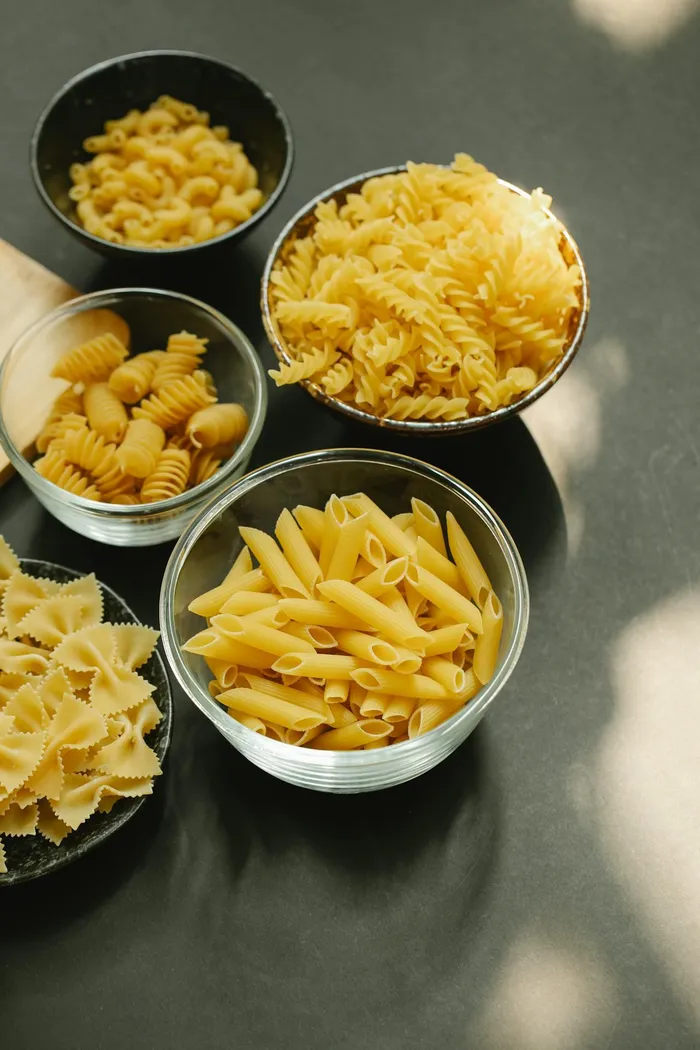
Items like pasta have a long shelf life and form the base of many meals.
Image: Klaus Nielsen / Pexels
Canned goods are another reliable option. Items such as baked beans, tinned fish, tomatoes, and vegetables can last for months and are versatile enough to use across different dishes.
They’re especially useful on days when fresh produce is either too expensive or not readily available.
Cooking essentials like flour, sugar, salt, and cooking oil are also worth buying in larger quantities.
These are items most households use daily, and even a small price increase can add up quickly over time.
Stocking up now locks in the current price and reduces the need for frequent top-ups later.

Cooking essentials like flour, sugar, salt, and cooking oil are also worth buying in larger quantities.
Image: Katerina Holmes / Pexels
Long-life dairy products such as powdered milk or UHT milk are practical additions to your pantry.
Fresh dairy prices tend to fluctuate, but these alternatives offer convenience and stability.
Cleaning supplies and toiletries are often overlooked, but they’re just as important.
Items like washing powder, dishwashing liquid, toilet paper, soap, and toothpaste are used consistently, and buying them in bulk can lead to meaningful savings.
These are not items you want to run out of when prices are higher.

Items like washing powder, dishwashing liquid, toilet paper, soap, and toothpaste are used consistently, and buying them in bulk can lead to meaningful savings.
Image: Tracey Adams / Independent Newspapers
For households with babies or young children, nappies and wipes are essential to consider.
These products can be expensive even at the best of times, so purchasing ahead can provide some financial breathing room.
It’s also worth thinking about frozen foods if you have the space. Frozen vegetables, chicken, and other proteins can last longer than fresh options and help you manage your grocery budget more effectively.
While stocking up can be helpful, it’s important to stay realistic.
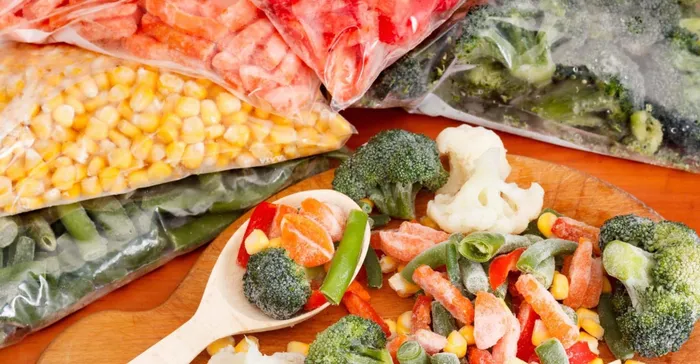
Frozen vegetables, chicken, and other proteins can last longer than fresh options and help you manage your grocery budget more effectively.
Image: Supplied
Buy what you can afford, focus on what your household actually uses, and avoid over-purchasing items that may go to waste.
The goal is not to recreate the panic of lockdown, but rather to take small, sensible steps that offer a sense of control.
In times like these, preparation isn’t about fear; it’s about being practical.