Crocodile farming still lucrative
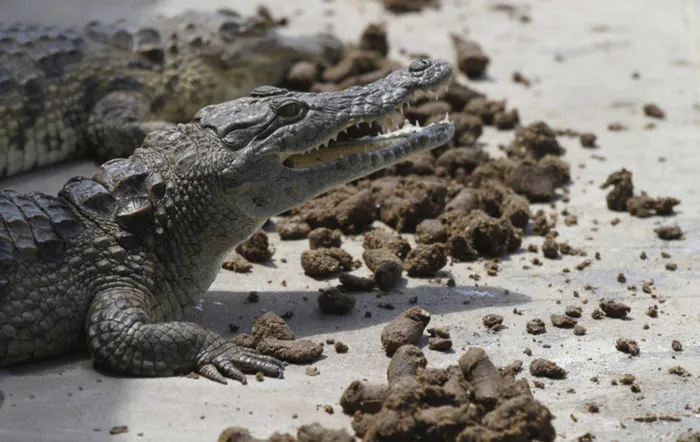
File picture: Philimon Bulawayo File picture: Philimon Bulawayo
Harare - The world might be catching a cold from the Chinese economic slowdown, but this has not deterred luxury apparel consumers, with Zimbabwe’s crocodile farming concern, Padenga Holdings, geared to capitalise on stable demand for top quality crocodile skins used in the manufacture of frill handbags, belts and jackets.
Padenga is listed on the Zimbabwe Stock Exchange and runs crocodile farms in Kariba, as well as an alligator operation in the US.
The company has recently moved to cut operating costs by weaning its reptiles off the traditional meat diet and shifting them to a largely vegetarian diet.
Apart from their skins, there is a thriving market for other crocodile farming by-products such as bio-oils and crocodile meat.
However, Padenga is mainly focused on producing top quality skins for its export markets, which supply luxury apparel producers that are riding high.
“The market for premium quality skins has remained stable in the period under review and we have contracted to sell the volume of skins we anticipate to produce,” said Alexander Calder, the chairman of Padenga Holdings on Thursday.
Taking a knock
The global economic outlook has been predicted to cloud in the short-term future, with demand for most luxury goods and other goods bought with disposable incomes such as vehicles expected to start taking a knock, although demand for crocodile skin products such as expensive shoes, handbags and jackets among others will likely remain strong.
Sentiment that China’s economy is slowing down has caused ripples across the global economy, prompting stock and currency declines in developing economies.
The company suffered losses during the first half-year period to the end of June.
However, the subdued first half performance was largely expected as it undertook its culling in the second half, running from July to December, and it generated most of its revenues during this time, officials said.
Crocodile farming is on the rise in Africa because of favourable weather conditions and low running costs, owing to readily available feedstocks compared with other regions.
Crocodile skin prices average $4 (R53) per centimetre, but pressure from lobby groups and animal rights campaigners is scuttling efforts to raise production.
During the first half of the current year, Padenga sold 9 144 skins compared with 9 299 skins in the previous comparative period. This translated into revenues of $4.3 million that were down from the $4.7m recorded in the 2014 period.
“The harvest of alligator skins in the US was deferred to the second half of the year to maximise growth and satisfy demand. In the Zimbabwean crocodile operations, revenue increased by 3 percent to $4 223 282 from $4 116 583 recorded in the six months to June 2014,” Calder said.
The company has completed construction of a water reservoir with a holding capacity of 1.7 million litres at the Kariba crocodile farm. This has helped improve water distribution to the crocodile pens.
Last year, Padenga said it was geared to increase crocodile meat supplies on the local market, thanks to take-up hurdles in Asian and European markets.
BUSINESS REPORT